April 20, 2026
Selecting the right portable toilet rental plays an important role in maintaining sanitation, convenience, and comfort during outdoor events or construction projects. Whether managing a large worksite, organizing a festival, or hosting a private outdoor gathering, accessible restroom facilities help maintain hygiene and ensure guests or workers have a positive experience. Planning allows organizers to prevent overcrowding, reduce maintenance concerns, and maintain a well-organized environment.
Portable sanitation solutions come in several forms, each designed to serve specific needs. Construction sites often require durable, basic units capable of withstanding daily heavy use, while social gatherings may benefit from upgraded options that offer improved cleanliness and convenience. Understanding these distinctions allows planners to match restroom options to the type of event, the expected number of users, and the length of time the units will remain on-site.
The portable sanitation industry continues to expand as demand grows across construction, recreation, and event planning sectors. According to IBISWorld, there are 3,489 businesses in the portable toilet rental industry in the United States. With numerous providers offering a wide range of equipment and service packages, carefully reviewing available options helps organizers secure reliable facilities that support sanitation, safety, and overall event success.
Evaluating Event Requirements and Attendance
One of the first steps in arranging a portable toilet rental involves determining the scale and nature of the event or project. A construction site with a consistent workforce will have different sanitation needs than a weekend festival or a one-day outdoor ceremony. Understanding the environment where the units will be placed helps planners select equipment designed to handle the expected level of traffic and wear. Weather conditions, terrain, and the layout of the venue can also influence which units are most appropriate and where they should be positioned.
Estimating the number of attendees or workers also helps determine how many units are required. Sanitation guidelines often suggest at least one portable restroom for every 75 to 100 people during short events without alcohol service. Events that last longer, include food service, or attract larger crowds may require additional units to maintain comfort and avoid long lines. Organizers may also consider the presence of children, vendors, or staff members who remain on site for extended periods.
Planning for peak usage periods further improves the experience for users. Break times on construction sites and intermissions at events often create brief surges in restroom demand. Including a few extra units can prevent congestion and keep facilities available when they are most needed, allowing the portable toilet rental arrangement to function smoothly throughout the event or workday. Thoughtful planning also helps maintain cleanliness by reducing excessive wear on individual units.
Exploring Portable Toilet Options and Features
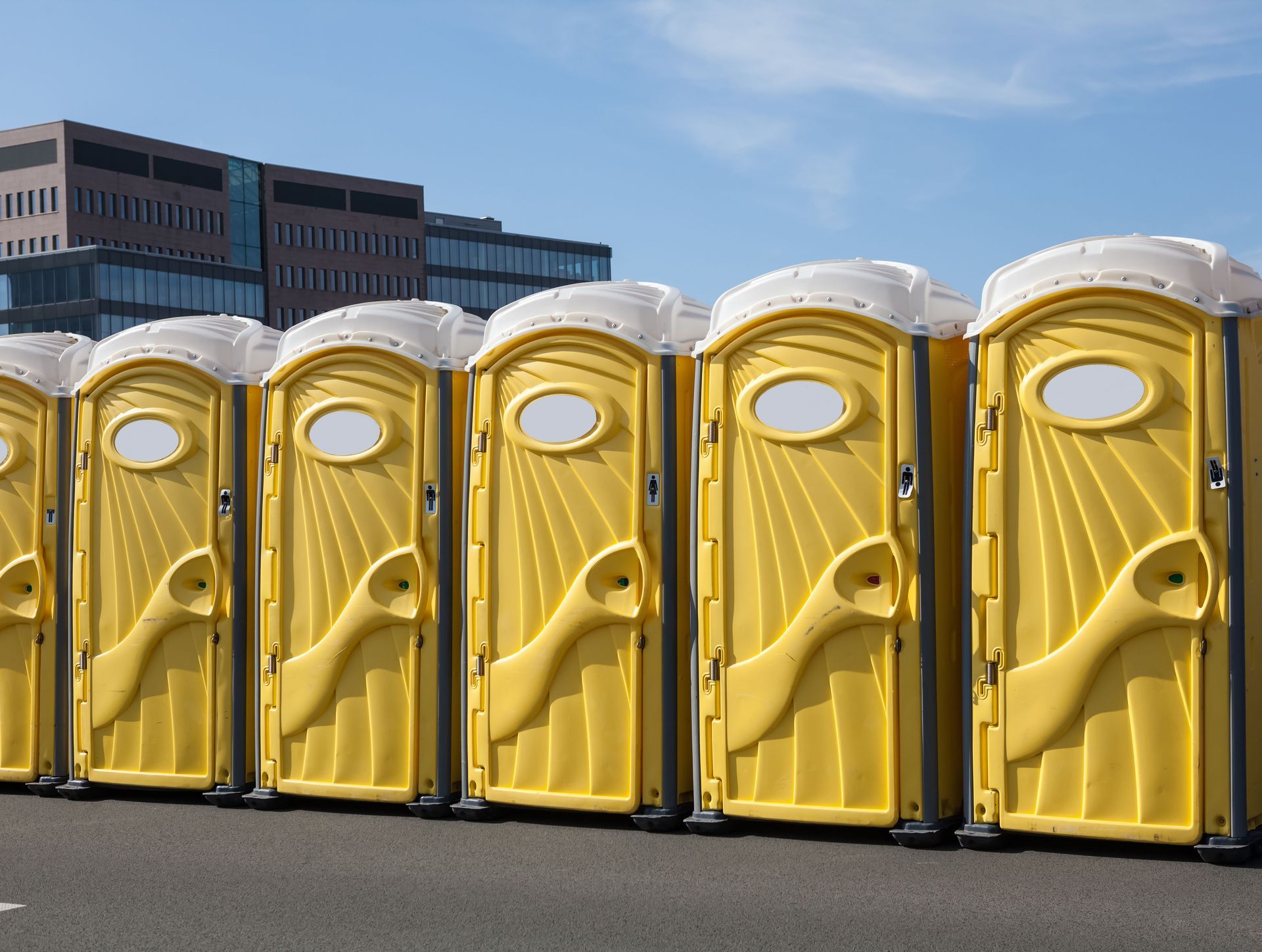
Portable sanitation equipment is available in several formats designed for different environments and expectations. Standard portable toilets remain the most widely used option because they provide reliable, simple sanitation in a compact structure. These units typically include a toilet seat, holding tank, ventilation, and a supply of toilet paper, making them practical for construction projects, sporting events, and large public gatherings.
Some situations benefit from upgraded units that offer added convenience. Deluxe portable toilets often include features such as interior lighting, hand sanitizer dispensers, mirrors, and improved ventilation. These features can make a noticeable difference during weddings, community celebrations, and other social events where guest comfort is a priority.
Higher-end options, such as units that can flush or restroom trailers, create an experience that more closely resembles a traditional indoor restroom. These units may include flushing toilets, sinks with running water, and climate-controlled interiors. While they generally cost more than basic models, they are often chosen for formal events, VIP areas, and occasions where presentation and convenience are especially important.
Planning Placement and Accessibility
Proper placement plays a major role in how effectively portable sanitation facilities serve a location. Units should be placed on level ground to maintain stability and positioned in areas that are easy for users to find without disrupting event flow or worksite operations. Careful planning prevents congestion and allows guests or workers to access the facilities quickly.
Accessibility is another important consideration when organizing a portable toilet rental arrangement. ADA-compliant units provide additional interior space, support rails, and wider doorways that accommodate wheelchair users or individuals who require extra mobility assistance. Including accessible restrooms ensures that facilities can serve all guests or workers comfortably.
Lighting and signage can further improve restroom access, especially for events that continue after sunset. Clearly marked paths, adequate lighting, and visible signage help visitors locate restrooms quickly while maintaining a safe environment. Coordinating placement with the rental provider allows organizers to identify ideal locations that balance accessibility, safety, and convenience.
Understanding Rental Costs and Service Agreements
Budget planning is an essential step when arranging sanitation services. The cost of a portable toilet rental typically depends on several factors, including the number of units, the type of equipment selected, and the duration of the rental period. Basic units generally offer the most economical option, while upgraded models or restroom trailers come with higher rental fees due to their added features.
Delivery, setup, and pickup services can also influence the final price. Many providers include transportation costs within a comprehensive quote, though some may charge separate logistics fees depending on distance and site conditions. Confirming these details in advance helps organizers avoid unexpected expenses and maintain a clear understanding of the overall rental cost.
Service agreements often include scheduled maintenance such as cleaning, waste removal, and restocking of supplies. For long-term construction projects or multi-day events, regular servicing keeps facilities sanitary and fully functional. Reviewing service plans carefully ensures that the portable toilet rental arrangement includes adequate maintenance to support the number of users expected throughout the rental period.
Maintaining Sanitation and Waste Management
Maintaining clean and functional restrooms throughout an event or project requires careful attention to sanitation practices. Rental providers typically offer maintenance services that include waste removal, disinfecting surfaces, replenishing supplies, and checking ventilation systems. These routine tasks help prevent odors and maintain a comfortable experience for users.
The frequency of maintenance visits should match the anticipated level of usage. High-traffic events may require daily servicing or multiple visits per day, while smaller gatherings or construction sites may only require weekly maintenance. Discussing these expectations with the provider ensures the portable toilet rental remains hygienic and fully operational throughout the event or project timeline.
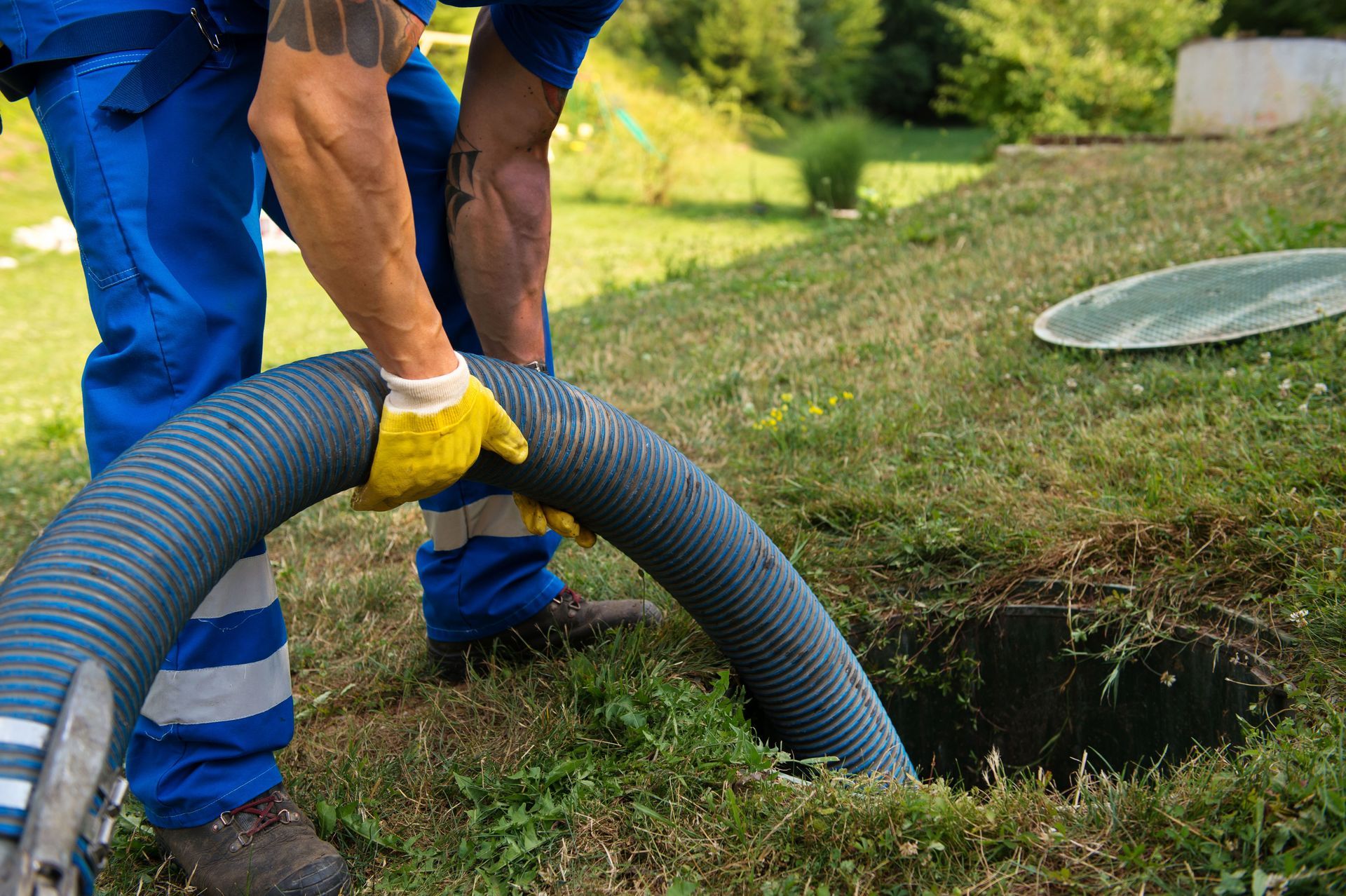
Waste disposal logistics also play an important role in sanitation planning. Reliable providers handle the safe removal and disposal of waste in accordance with environmental and public health regulations. Proper waste management keeps facilities functioning properly while protecting surrounding areas from contamination, supporting a clean and responsible sanitation strategy. Coordinated service schedules, sealed transport systems, and proper treatment practices help ensure waste is handled efficiently while maintaining sanitary conditions throughout the duration of the rental period.
Choosing the right portable toilet rental requires thoughtful planning that considers event size, user comfort, accessibility, placement, and maintenance services. Evaluating these factors helps ensure that sanitation facilities operate efficiently while supporting a clean and organized environment for guests or workers. Careful coordination with a reliable provider helps simplify logistics and ensures that the equipment selected meets the needs of the project or event. For more information about the services that we offer, reach out to our incredible team at Nelson Septic Services LLC today!