August 25, 2026
Managing home wastewater systems requires consistent care to keep every component operating smoothly over time. Property owners often overlook underground wastewater care until severe disruptions occur, leading to structural harm and costly restoration projects. Scheduling a regular septic tank pumping service prevents these emergencies while extending the overall functional lifespan of your home equipment. Developing a clear understanding of system demands ensures you can handle waste disposal safely without facing disruptive backups, foul odors, or environmental hazards.
Timely intervention prevents harmful overflows and keeps unpleasant odors from escaping into your yard or home living spaces. Recognizing the early indicators of system stress allows you to address potential blockages before they damage surrounding property, landscaping, or indoor plumbing. Routine checks and professional maintenance remain the best overall strategy for avoiding system failure and ensuring clean operation year after year. This comprehensive guide outlines the critical signs, usage habits, and environmental factors that indicate when you should schedule your next septic tank pumping service.
Understand Your Septic System Infrastructure
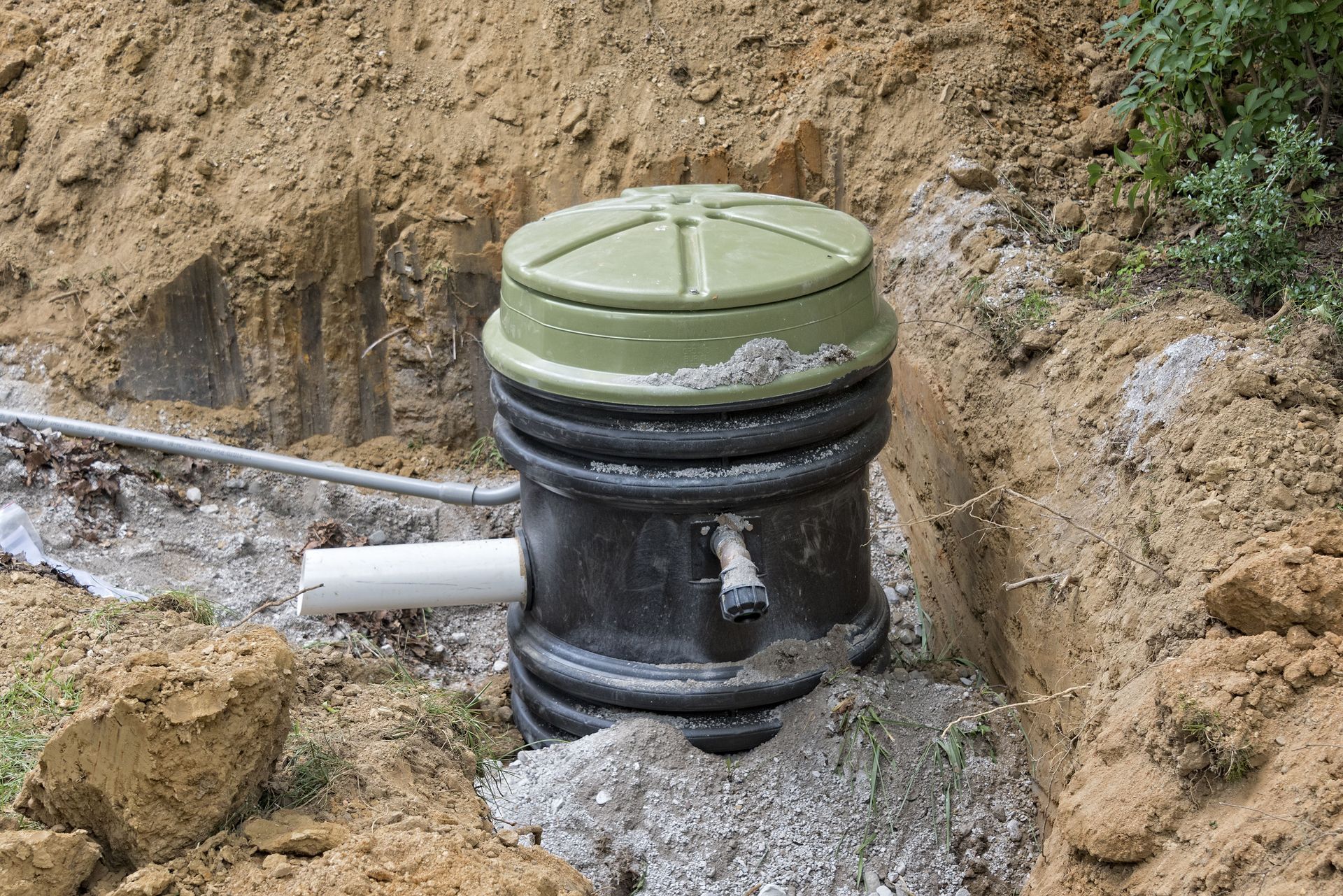
A residential wastewater setup depends on interconnected components that process household waste efficiently through physical separation and biological decomposition. Household wastewater flows directly into a watertight primary container designed to settle solid materials at the bottom while lighter grease floats near the surface. The remaining clarified liquid moves outward toward the designated absorption area for final biological treatment. Booking a routine septic tank pumping service keeps this central chamber operating properly, ensuring settled solids do not escape into delicate outer distribution channels where they cause severe damage.
The drain field serves as a crucial secondary treatment zone where soil layers naturally process clarified wastewater effluent safely. As liquid moves through soil particles, beneficial microbes break down remaining organic matter and eliminate biological pathogens before water returns to local water tables. Protecting this filtration area from excessive solid waste accumulation is vital for preventing ground saturation and system failure. Regular maintenance preserves soil permeability and prevents severe blockages across distribution pipes throughout your yard.
Recognize Early Signs of Failure
Observing early physical warning signs around your property helps you identify system overload before complete failure occurs. Slow drainage in household sinks, showers, and toilets often indicates that internal waste accumulation is restricting liquid flow through the main vessel. Persistent sewage odors lingering near the primary container or across your lawn also signal that wastewater is not processing correctly. Prompt attention to these symptoms prevents minor blockages from transforming into severe structural disruptions that ruin your property.
Unusually vibrant grass patches growing directly above your drain field frequently indicate that untreated effluent is escaping to the surface. Standing water accumulating near the main tank or around plumbing fixtures similarly signals an overloaded liquid capacity that requires immediate attention. Ignoring these warning signs can result in destructive waste backups into residential living spaces. Scheduling a timely septic tank pumping service upon noticing these indicators safeguards your property against extensive structural damage and costly repairs.
Evaluate Household Waste and Usage Patterns
Household occupancy levels and daily water consumption patterns directly determine how rapidly waste accumulates inside your system. Large households naturally generate high daily wastewater volumes, accelerating solid waste settlement and requiring more frequent servicing interval adjustments. Spreading water usage evenly across the week, rather than running multiple laundry loads simultaneously, reduces hydraulic strain on system components. Managing daily consumption habits helps balance system capacity with household processing needs over extended periods.
The specific types of material entering household drains significantly impact system health and waste decomposition timelines. Disposing of non-biodegradable items, such as synthetic wipes, paper towels, and personal care products, fills storage capacity rapidly and causes severe pipe blockages. Cooking fats, oils, and harsh household chemicals also harm essential bacterial colonies responsible for breaking down solid waste naturally. Exercising proper waste management practices preserves system efficiency and reduces necessary maintenance frequency for every homeowner.
Assess Environmental and Physical Factors
Site-specific environmental conditions and local soil compositions play substantial roles in determining overall system longevity and maintenance needs. Properties situated in areas with dense clay soil experience slower liquid absorption, which increases overall system pressure during wet weather. Regions prone to seasonal heavy rainfall or high groundwater tables face elevated risks of drain field saturation, requiring careful system monitoring. Adapting your maintenance routine to match environmental challenges protects your property from weather-related backups and severe damage.
The age and structural material of your underground tank also influence how resilient the system remains under continuous operation. Concrete, fiberglass, and plastic containers each possess unique durability characteristics, though all materials experience physical wear over extended usage. Structural cracks or shifting soil conditions can compromise joint integrity, allowing groundwater infiltration that overloads internal storage space rapidly. Routine professional evaluations ensure structural weaknesses are identified and repaired before minor issues lead to full system failures.
Determine Proper Maintenance Schedules
Establishing an appropriate maintenance schedule requires balancing total household output against physical storage capacity. Regular professional evaluations ensure that solid waste levels remain well within safe operational limits throughout the year. According to guidelines provided by the EPA, a tank requires pumping when the scum layer bottom comes within six inches of the outlet bottom, the top of the sludge layer reaches within 12 inches of the outlet, or total sludge and scum equal more than 25% of liquid depth. Monitoring these precise waste thresholds protects system function and home sanitation.
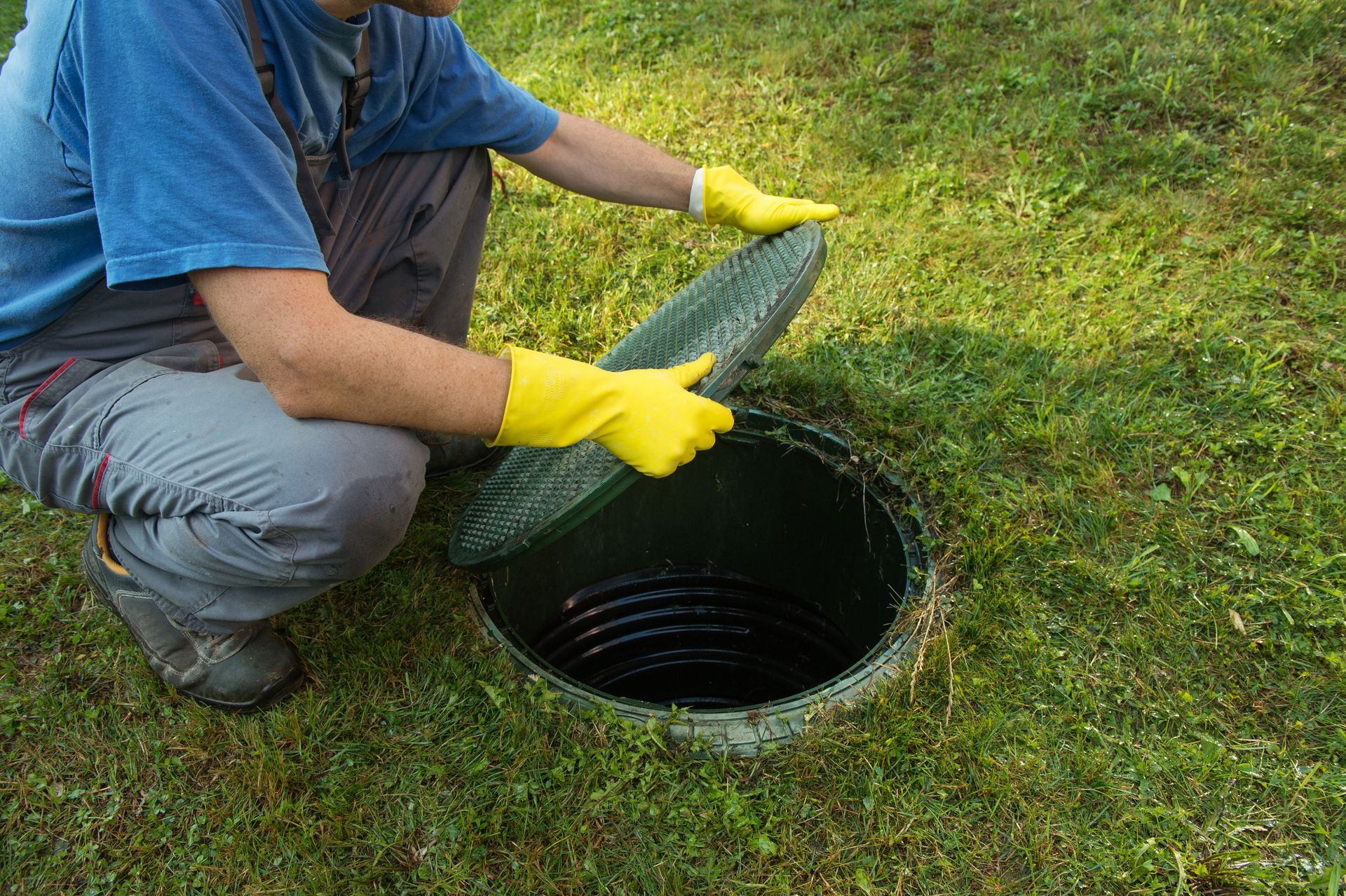
Relying on qualified technicians ensures accurate measurement of internal waste layers without exposing property owners to hazardous gases. Professional inspectors provide tailored recommendations based on observed tank conditions, usage patterns, and local environmental factors. Establishing a clear record of previous pumpings allows homeowners to anticipate future maintenance needs with complete confidence. Booking a professional septic tank pumping service keeps your system aligned with safety standards while protecting surrounding groundwater sources from contamination.
Protect Your Wastewater System Investment
Proactive care remains significantly more affordable than replacing ruined drain fields or excavating collapsed tank structures. Routine waste removal prevents solid accumulation from escaping into outer soil lines where blockages cause permanent environmental damage. Maintaining clean internal pathways preserves soil absorption capacity and ensures continuous wastewater processing year-round without interruption. Investing in consistent preventative maintenance safeguards your property value and protects home sanitary conditions for your entire family.
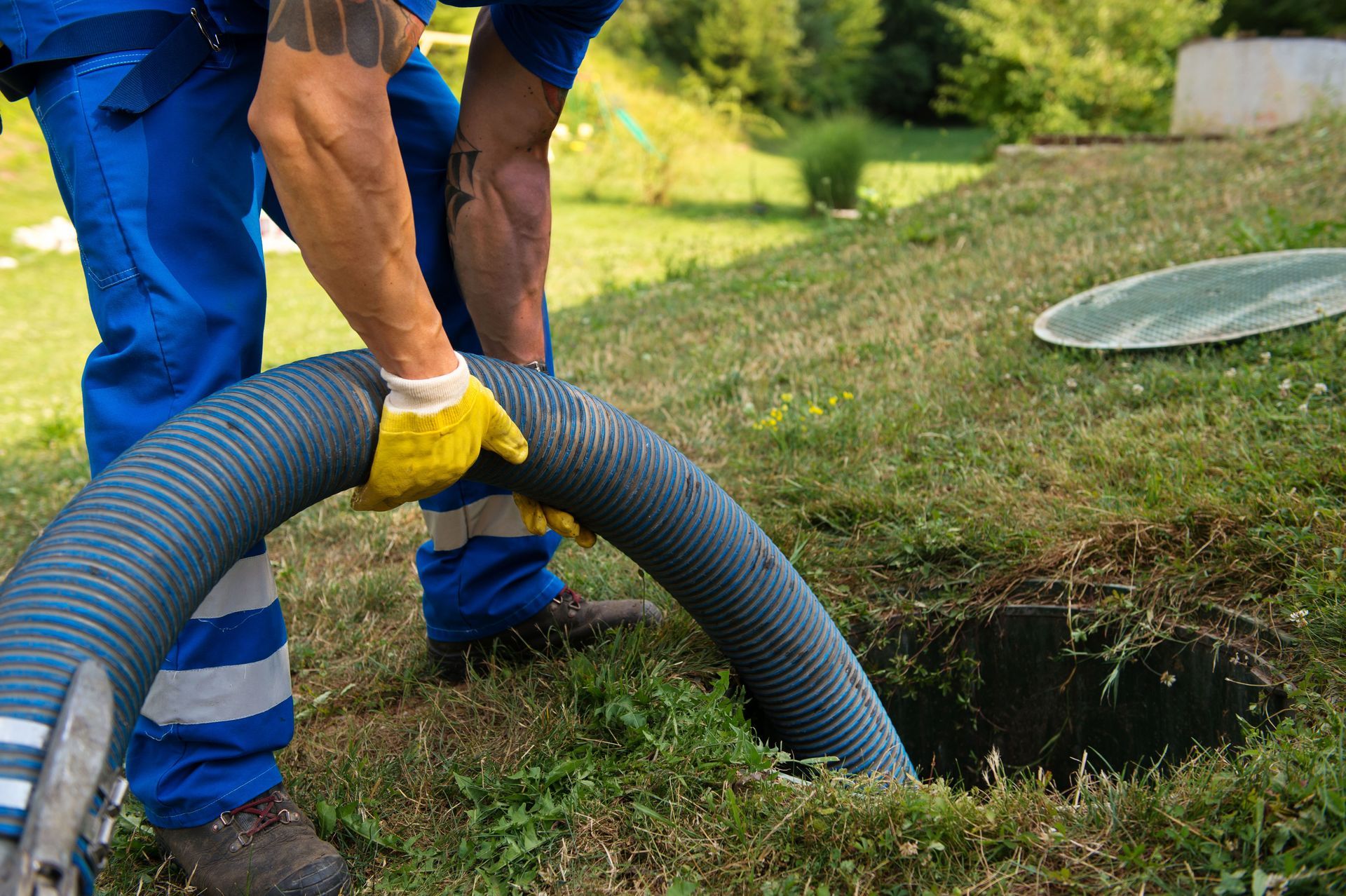
Collaborating with experienced service providers guarantees that your wastewater setup receives comprehensive care tailored to its unique needs. Qualified specialists bring professional equipment and technical expertise to handle waste removal, structural inspections, and system maintenance safely. Establishing a long-term service relationship ensures reliable support whenever unexpected operational issues arise on your property. Scheduling your next septic tank pumping service ensures long-term operational success for your entire home plumbing network.
Maintaining a safe and efficient home wastewater system requires consistent monitoring, proper waste disposal habits, and timely service interventions. By remaining attentive to early warning signs and understanding your household impact, you can protect your investment and prevent costly plumbing emergencies. Regular care ensures clean operation, preserves environmental health, and extends the overall life of your equipment. Taking proactive steps today prevents unexpected failures tomorrow and preserves your home infrastructure.
If you are ready to ensure optimal system performance and safeguard your property, contact us today at Nelson Septic Services LLC so we can schedule your next septic tank pumping service.