October 26, 2026
A properly maintained septic system is essential for managing household wastewater safely and efficiently. For homeowners who rely on septic systems instead of municipal sewer connections, routine maintenance can make the difference between years of reliable performance and an unexpected, expensive failure. One of the most important maintenance tasks is removing accumulated solids before they interfere with the system's ability to process wastewater.
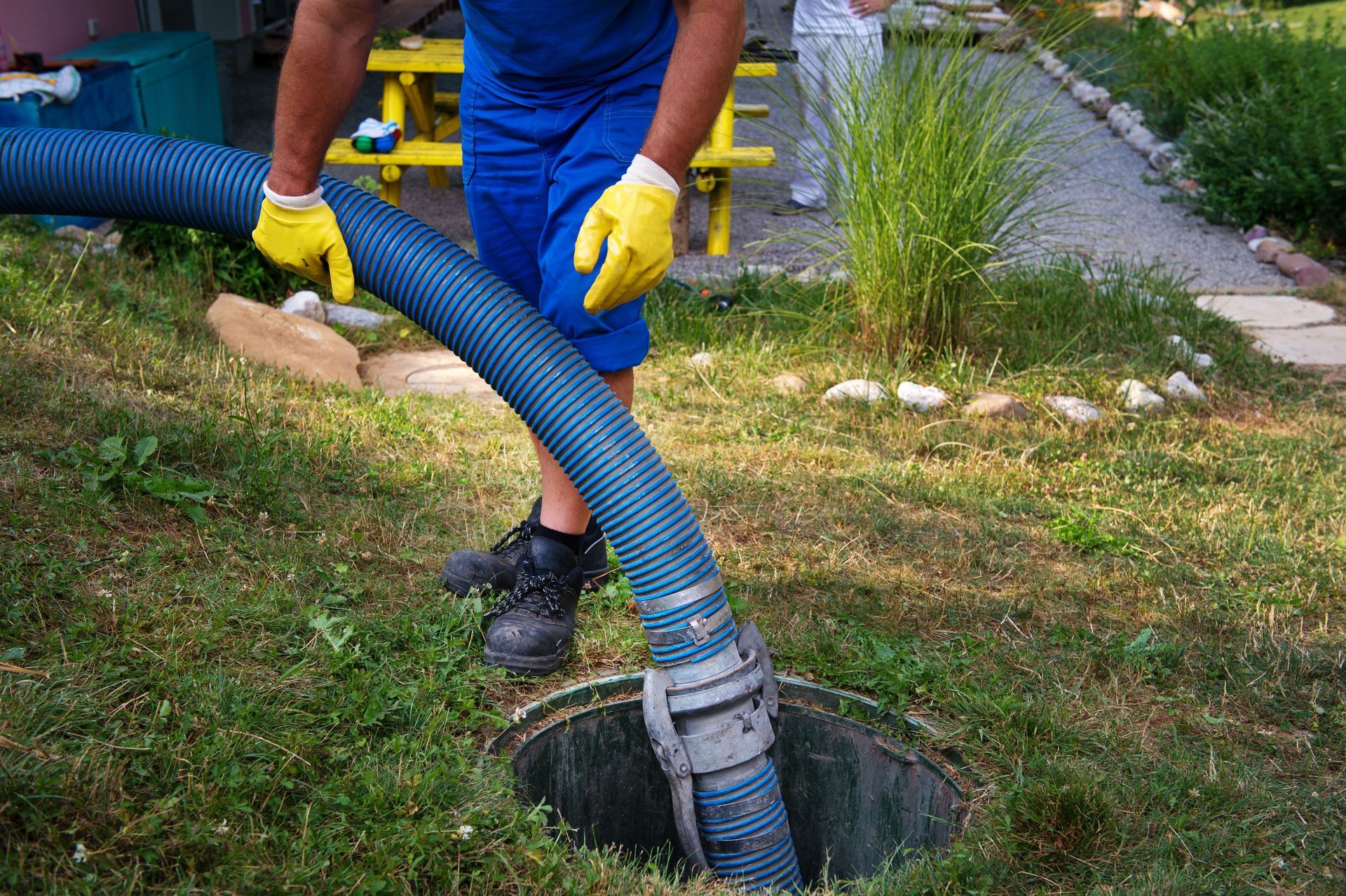
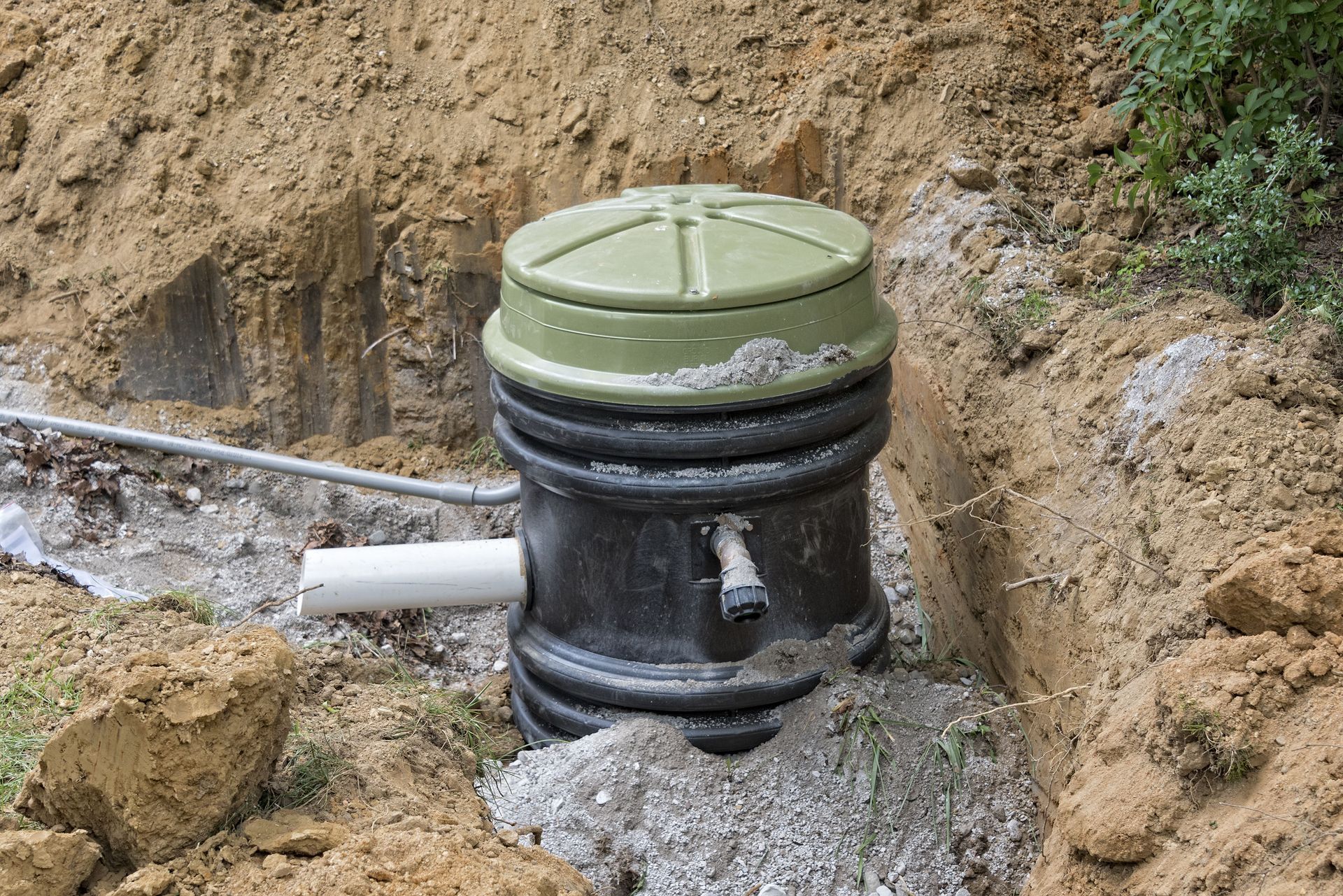
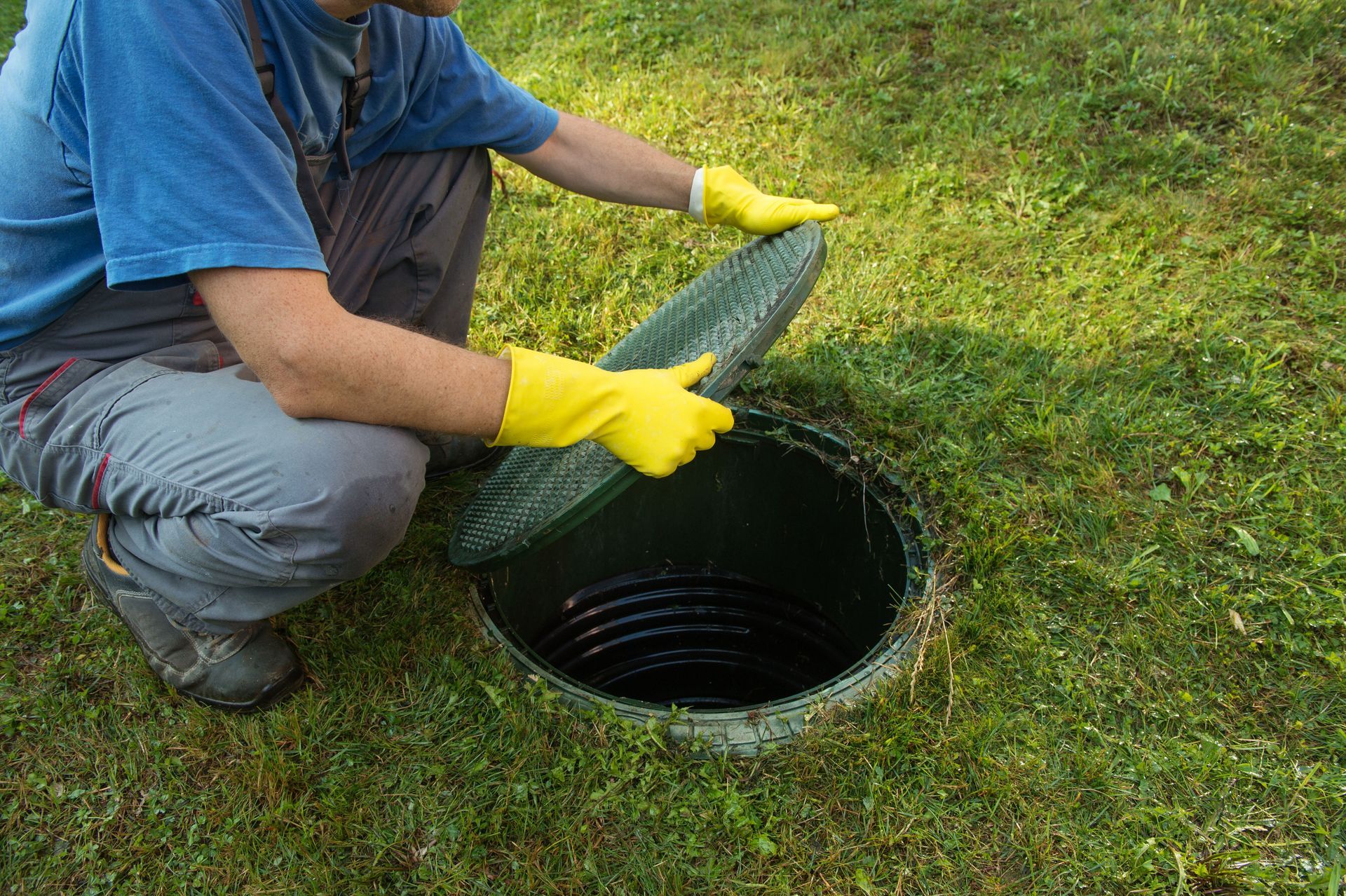
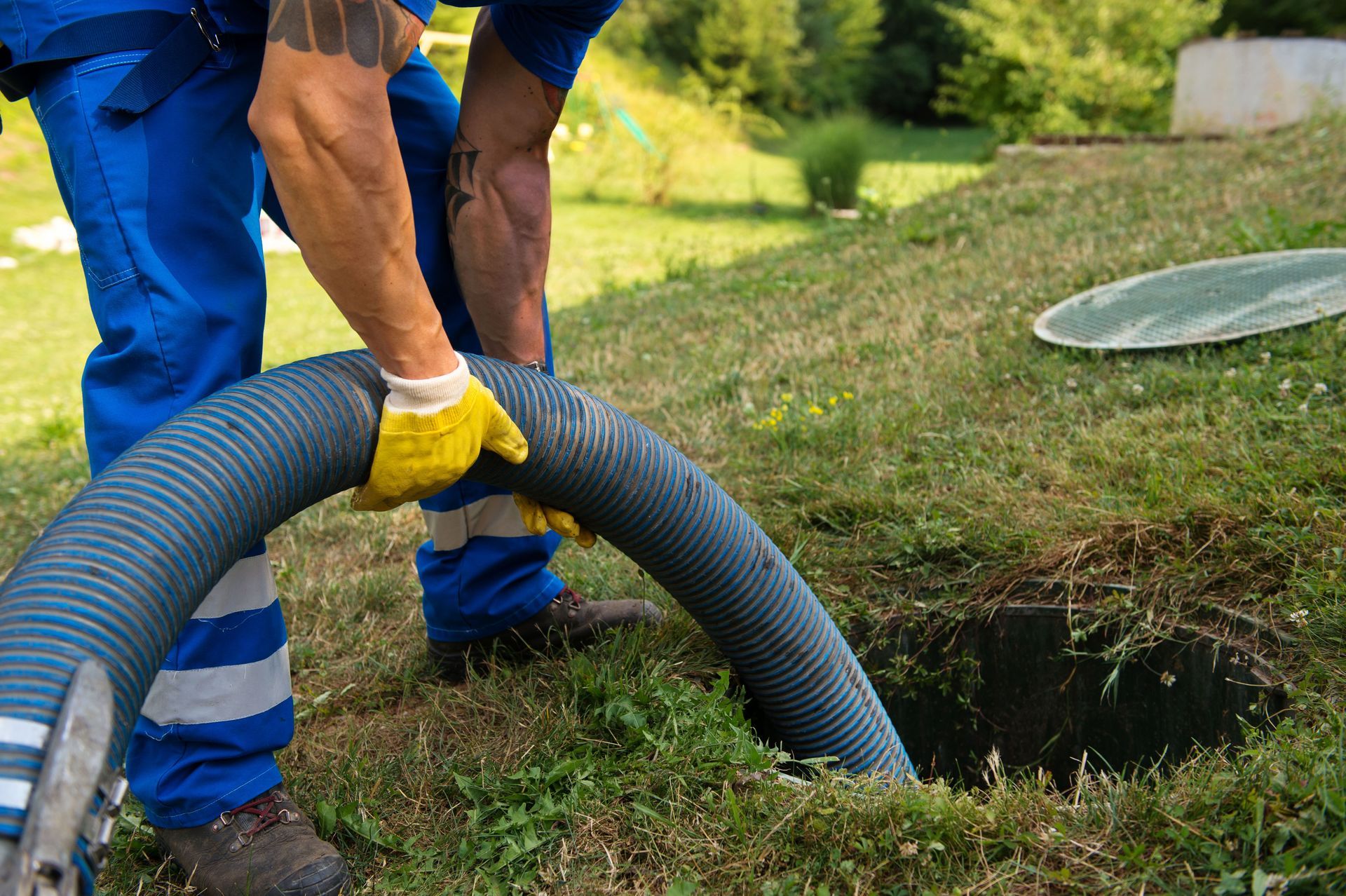
Septic tank pumping services help homeowners maintain healthy systems by removing sludge and floating scum that naturally accumulate inside the tank. Without regular pumping, these materials can build up, interfere with wastewater treatment, and eventually escape into the drainfield. The resulting problems may include sewage backups, unpleasant odors, contaminated groundwater, and costly repairs.
How Often Should Septic Tanks Be Pumped?
Most household septic tanks should be inspected at least every three years and pumped approximately every three to five years, although individual needs vary. The appropriate schedule depends on several factors, including tank capacity, household size, wastewater volume, and the amount of solids entering the system.
For example, a household with five occupants will generally introduce more wastewater and solid waste into its septic tank than a household with two occupants. Smaller tanks may also require more frequent pumping because they have less room to accommodate accumulating sludge and scum. Homes that regularly host guests or use garbage disposals may experience faster solid accumulation, making more frequent maintenance necessary.
Professional septic tank pumping services can help homeowners establish a schedule based on the system's actual condition rather than relying on a fixed calendar alone. During an inspection, a technician can measure sludge and scum levels, evaluate the tank's condition, and determine whether pumping is necessary.
The tank's age and maintenance history also matter. Older systems with limited documentation may require closer monitoring, particularly if previous owners did not maintain consistent service records.
What Happens If You Don't Pump Your Septic Tank?
When a septic tank goes too long without pumping, solid waste accumulates and gradually reduces the tank's available capacity. Over time, sludge can occupy enough space that wastewater flows through the system less effectively. Floating scum and suspended solids may also escape into the outlet pipe, potentially reaching the drainfield.
The drainfield is particularly vulnerable to this type of damage. Its soil is designed to receive and treat wastewater gradually, but excessive solids can clog the soil's pores and interfere with proper drainage. Once a drainfield becomes seriously damaged, restoring its function can be difficult and expensive.
Neglected maintenance can also contribute to sewage backing up into household plumbing. Homeowners may notice slow-draining sinks, toilets that struggle to flush, or wastewater appearing in basement drains. In severe cases, sewage can surface in the yard, creating unpleasant odors and potential exposure to harmful microorganisms.
Scheduling septic tank pumping services helps reduce these risks by removing accumulated solids before they can move into sensitive parts of the system.
Can Regular Pumping Prevent Costly Repairs?
Routine pumping is one of the most practical ways to protect a septic system from preventable damage. Although maintenance requires an upfront expense, it can help reduce the likelihood of repairs associated with excessive sludge accumulation, drainfield blockages, and wastewater backups.
Consider the difference between removing accumulated solids during a scheduled appointment and allowing those solids to enter the drainfield. Pumping addresses the buildup inside the tank, while a damaged drainfield may require extensive professional work or even replacement. Depending on the system and the extent of the damage, these repairs can cost substantially more than routine maintenance.
Septic tank pumping services also provide an opportunity to identify developing problems. Technicians may notice damaged baffles, deteriorating tank components, or other conditions that warrant further evaluation. Addressing these issues early can help prevent additional damage and improve the system's long-term reliability.
Homeowners can strengthen these benefits by following other maintenance recommendations. Avoid flushing wipes, feminine hygiene products, and other materials that do not break down appropriately. Limit grease and food waste entering household drains, and avoid driving heavy vehicles over the drainfield.
Water conservation is another important consideration. According to the U.S. Environmental Protection Agency (EPA), replacing older toilets that use 3.5 to 5 gallons per flush with newer models using 1.6 gallons or less can significantly reduce wastewater entering a septic system. Toilet use accounts for approximately 25% to 30% of total household water consumption, so these upgrades can meaningfully reduce the hydraulic load on the system.
What Are the Signs That a Septic Tank Needs Pumping?
Although routine inspections are the most reliable way to determine whether a tank needs pumping, certain warning signs may indicate that maintenance is overdue. Recognizing these symptoms early can help homeowners arrange service before a minor issue becomes a major disruption.
Common indicators include:
- Slow drains throughout the house: Multiple sinks, showers, or toilets draining slowly may indicate a septic system problem, although individual plumbing blockages are another possibility.
- Persistent sewage odors: Unpleasant smells near the septic tank, drainfield, or household drains may signal excessive buildup, leaks, or another system malfunction.
- Wet areas around the drainfield: Unusually soggy soil or standing water near the drainfield may indicate that wastewater is not dispersing properly.
- Sewage backups: Wastewater backing up into toilets, tubs, or floor drains can indicate a serious blockage or overloaded system requiring prompt attention.
- Unusually lush grass: A concentrated patch of unusually green grass over the drainfield may indicate wastewater surfacing or leaking into the surrounding soil.
These symptoms do not automatically mean a tank needs pumping. Some can indicate a clogged pipe, damaged component, or failing drainfield instead. A qualified professional can determine the underlying cause.
Scheduling septic tank pumping services when inspections indicate excessive sludge or scum buildup helps prevent further accumulation. However, homeowners should not wait for visible warning signs before arranging routine maintenance. By the time symptoms appear, the system may already be experiencing significant stress.
What Are the Environmental Benefits of Regular Septic Tank Pumping?
A well-maintained septic system does more than protect a homeowner's property. It also plays an important role in safeguarding surrounding soil, groundwater, and nearby waterways.
Septic tanks separate solids from wastewater, allowing partially treated liquid to move into the drainfield for further treatment by the soil. When a tank becomes overloaded, solids can escape into the drainfield and interfere with this natural treatment process. Poorly functioning systems may allow inadequately treated wastewater to reach groundwater or nearby surface water.
Regular
septic tank pumping services help minimize this risk by removing accumulated solids before they compromise downstream components. Proper maintenance also helps reduce the likelihood of sewage surfacing in yards, where people and pets could come into contact with contaminated water.
Preventing wastewater releases is particularly important for properties near private wells, lakes, streams, and other sensitive water sources. Septic system failures can introduce pathogens and excess nutrients into the environment, potentially affecting drinking water quality and contributing to water pollution.
Homeowners can further reduce environmental impacts by conserving water, preventing harmful materials from entering household drains, and keeping vehicles and structures away from the drainfield. These practices help maintain the soil's ability to treat wastewater and reduce unnecessary strain on the system.
Regular septic tank maintenance is essential for preventing system failures, protecting property, and managing household wastewater responsibly. Over time, accumulated sludge and scum can reduce tank capacity, clog drainfield components, and contribute to backups, unpleasant odors, and expensive repairs. If you need your septic tank pumped, reach out to Nelson Septic Services LLC today!f